
AdvertisementEmplacement Moneytizer · 31
Land Rover Series I 1948 - 1958
The Land Rover Series is the mythical ancestor of modern off-road vehicles, launched in 1948 by Rover after World War II to exploit surplus aircraft engines and quickly become a legend of robustness and versatility. The Land Rover Series history spans over three decades, with three successive generations (Series I from 1948 to 1958, Series II from 1958 to 1971, and Series III from 1971 to 1985) that each reinforced the model's reputation as an indispensable work tool in rural settings and expeditions. Characterized by a refined design with square lines, simple mechanics, and an ability to traverse all terrains, the Land Rover Series redefined the utilitarian 4x4 segment and directly influenced the creation of prestigious rivals such as the Jeep Willys and Toyota Land Cruiser. The Land Rover Series generations progressively integrated more efficient diesel engines, improved transmission systems, and better habitability, while preserving the functionalist DNA that defines its charm and effectiveness. Today, the Land Rover Series model remains a prized collector's item and a symbol of British engineering, while its modern successors such as the contemporary Defender perpetuate this heritage. The specifications of the different generations demonstrate constant evolution: from 1.6-liter petrol engines to the first turbocharged diesels, remarkable load capacity, and legendary mechanical reliability that explains the survival of many examples after more than 50 years of service.
Advertisement
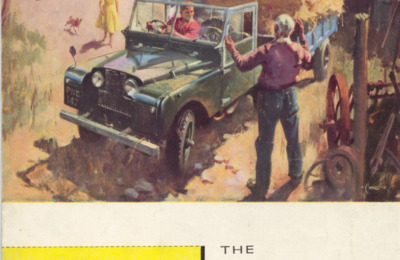
Land Rover Series Station WagonI · 1957
English United Kingdom
United Kingdom
Land Rover Series II · 1957
English Brazil
Brazil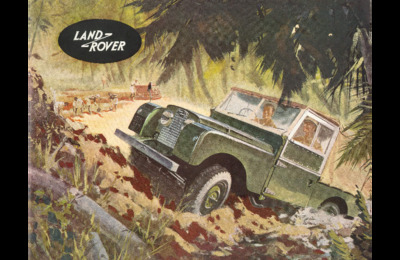
Land Rover Series Station WagonI · 1956
EnglishUnited Kingdom
United Kingdom
Land Rover Series II · 1956
EnglishBrazil
Brazil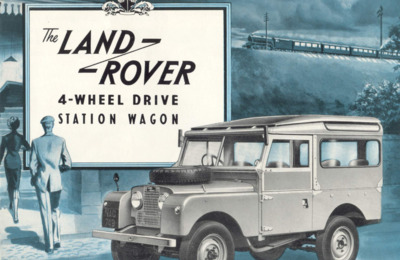
Land Rover Series Station WagonI · 1955
EnglishUnited Kingdom
United Kingdom
Land Rover Series I SWI · 1955
EnglishBrazil
Brazil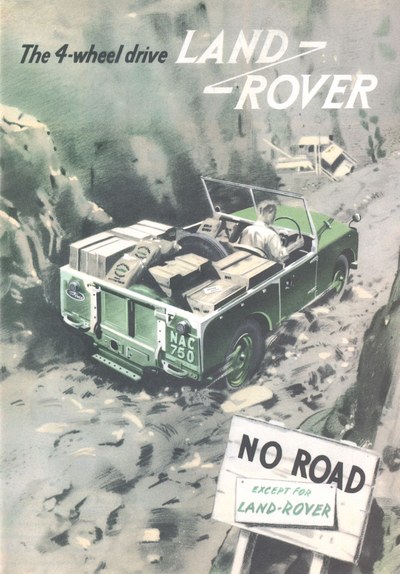
Land Rover Series II · 1955
EnglishBrazil
Brazil
Land Rover SeriesI · 1954
EnglishUnited Kingdom
United Kingdom
Land Rover Series II · 1954
EnglishBrazil
Brazil
Land Rover Series Pick-Up TruckI · 1953
EnglishUnited Kingdom
United Kingdom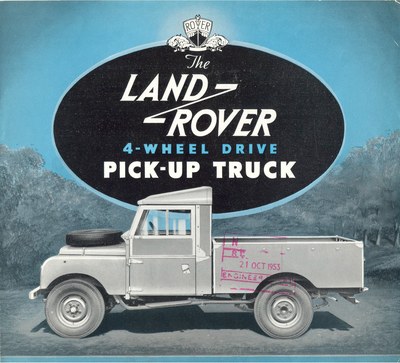
Land Rover Series II · 1953
EnglishBrazil
Brazil
Land Rover Series II · 1952
EnglishBrazil
Brazil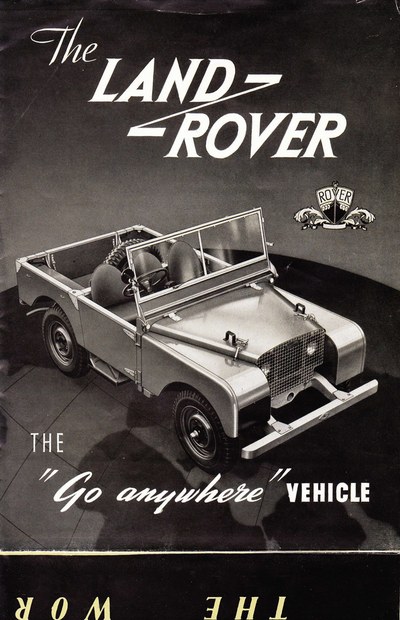
Land Rover Series II · 1950
EnglishBrazil
Brazil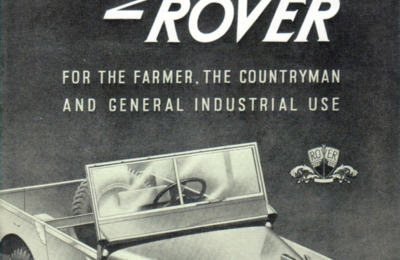
Land Rover SeriesI · 1948
EnglishUnited Kingdom
United Kingdom
Land Rover Series I SWI · 1948
EnglishBrazil
Brazil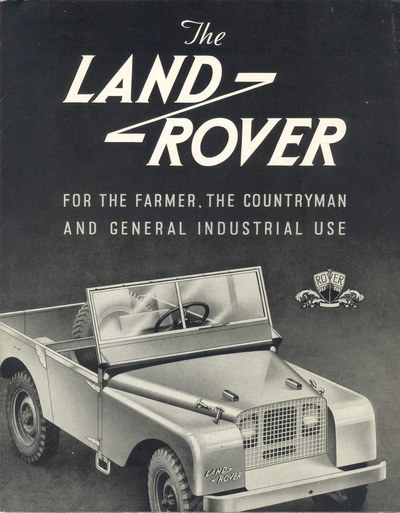
Land Rover Series II · 1948
EnglishBrazil
BrazilAdvertisement