Plug-in hybrid or 100% electric: the real showdown of 2026
It's the dilemma facing everyone who wants to leave gasoline behind: should you go straight to 100% electric, or choose a plug-in hybrid to keep a combustion engine as a backup? In 2026, the question has never been more open. In Europe, electric is leading the charge, but plug-in hybrids are experiencing a clear resurgence. Let's weigh the options, with the numbers to back it up.
Two rising curves
The market has definitively shifted. In the first half of 2026, battery electric vehicles crossed and then exceeded 20% of the European market, with sales up more than 40% year-over-year; in certain months, they represent nearly three-quarters of all "plug-in" registrations. Gasoline, meanwhile, continues to decline month after month.
But the plug-in hybrid hasn't had its last say. Around 10% of the European market at the start of 2026, it's posting its strongest growth since 2021, driven notably by Italy and Spain, where charging infrastructure is still being built out. Far from fading away, it's establishing itself as a transition solution that many drivers find reassuring.
The plug-in hybrid: the smart compromise… as long as you plug it in
On paper, the formula is appealing. In the city and for daily commutes, you drive on electricity, silently and fuel-free. For long distances or vacations, the combustion engine takes over: no range anxiety, no charging planning needed. For those tackling frequent long trips or unable to charge easily at home, the argument is real.
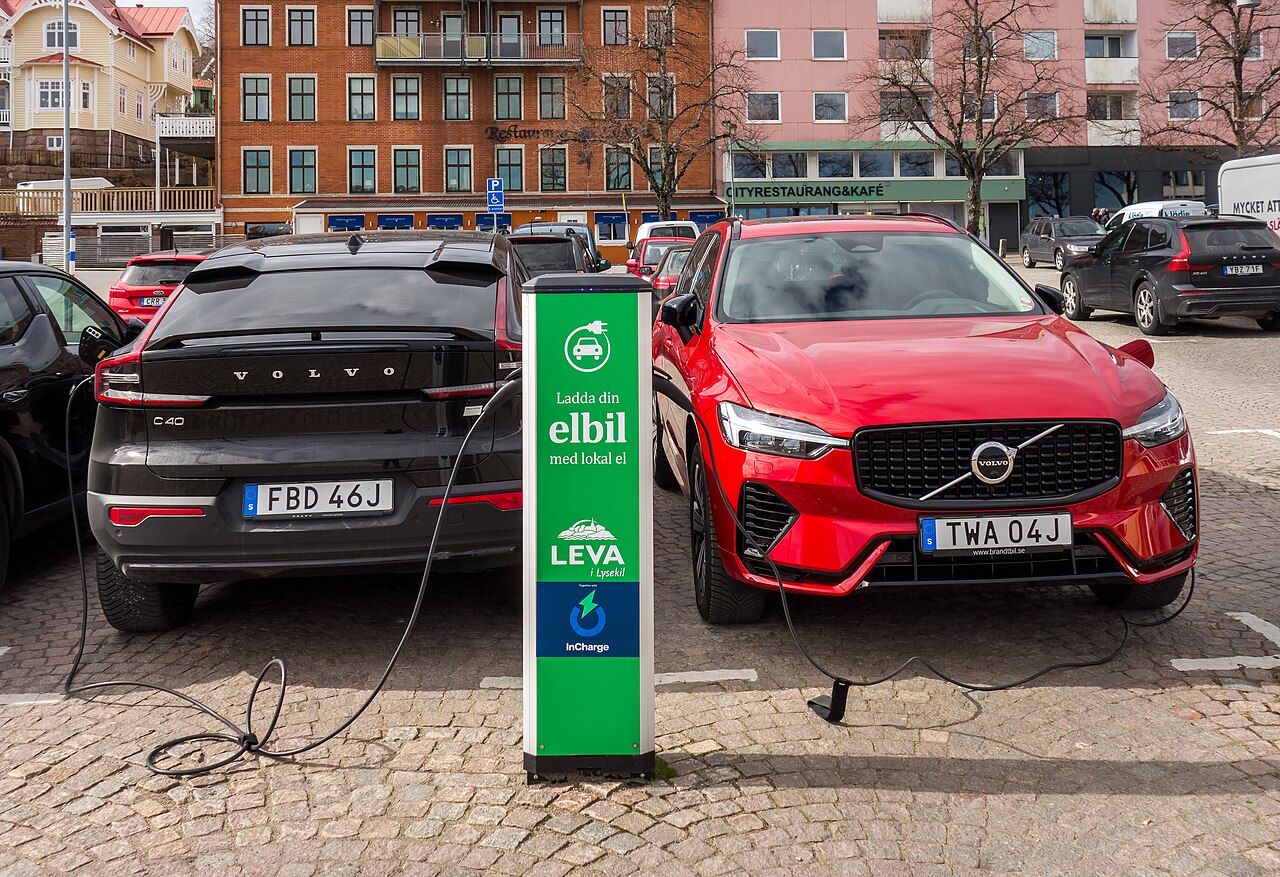
The catch comes down to one thing: the plug. A plug-in hybrid only makes sense if you actually charge it… really, every single day. Several European studies, including those from the NGO Transport & Environment, show that in real-world use these vehicles consume and pollute far more than advertised when they run mainly on the combustion engine. Weighed down by dual motors and a battery, a plug-in hybrid that's never plugged in becomes an expensive gasoline car. The model student charges it every evening; the underachiever carries a battery for nothing.
100% electric: simpler, cheaper to run
Stacked against it, the electric car plays the simplicity card. A single motor, no oil changes, no transmission, maintenance reduced by roughly 40%, and fuel costs dramatically lower than gasoline. Over time, for a driver who racks up serious mileage—beyond 25,000 kilometers per year—it's the one showing the lowest total cost of ownership.
Its limitations are shrinking fast. Ranges now routinely exceed 400 kilometers, fast charging is becoming mainstream, and purchase prices, long a dealbreaker, are dropping thanks to aggressive discounts and an influx of affordable models. Two real barriers remain: a charging network that's still uneven depending on the country, and the need to plan ahead a little for long trips.
The bottom line: price
For a long time, the plug-in hybrid held a purchase price advantage: its smaller battery made it cheaper than a comparable electric. That gap is closing. In 2025-2026, heavy discounts on electric vehicles and the arrival of a wave of affordable models have reshuffled the deck; across many ranges, prices are converging. Meanwhile, regulations are tightening for plug-in hybrids, whose certification tests are now more stringent and better reflect real-world consumption—gradually chipping away at their tax benefits in several European countries.
So, which one to pick?
There's no universal winner, only different profiles. You drive mostly in the city and suburbs, you can charge at home or work, you keep your car long-term? Electric will be more economical and more relaxing. You're racking up unpredictable long distances, you live in an apartment without an outlet, or you want an easy transition? The plug-in hybrid still makes sense—but only if you actually plug it in.
One thing's for sure: in 2026, the battle is no longer electric versus combustion, but two ways of electrifying your daily drive. And that's pretty good news for drivers, who've never had more choice.
The best way to decide is still to compare models in detail. On Brochure Auto, find free catalogs from past and present for major brands, both plug-in hybrids and electric vehicles, so you can put the specs side by side before making your decision.
Gallery
Photos © Ivan Radic, Shixart1985 (CC BY 2.0), Danilo Bargen (CC BY-SA 4.0) / Wikimedia Commons
- https://cleantechnica.com/2026/08/02/europe-ev-sales-report-bevs-jump-50-reach-26-market-share/
- https://alternative-fuels-observatory.ec.europa.eu/general-information/news/european-ev-market-starts-2026-20-bev-share
- https://www.transportenvironment.org/articles/plug-in-hybrids-pollute-almost-as-much-as-petrol-cars-eu-data