Gasoline, hybrid, or electric: which car should you buy in late 2026?
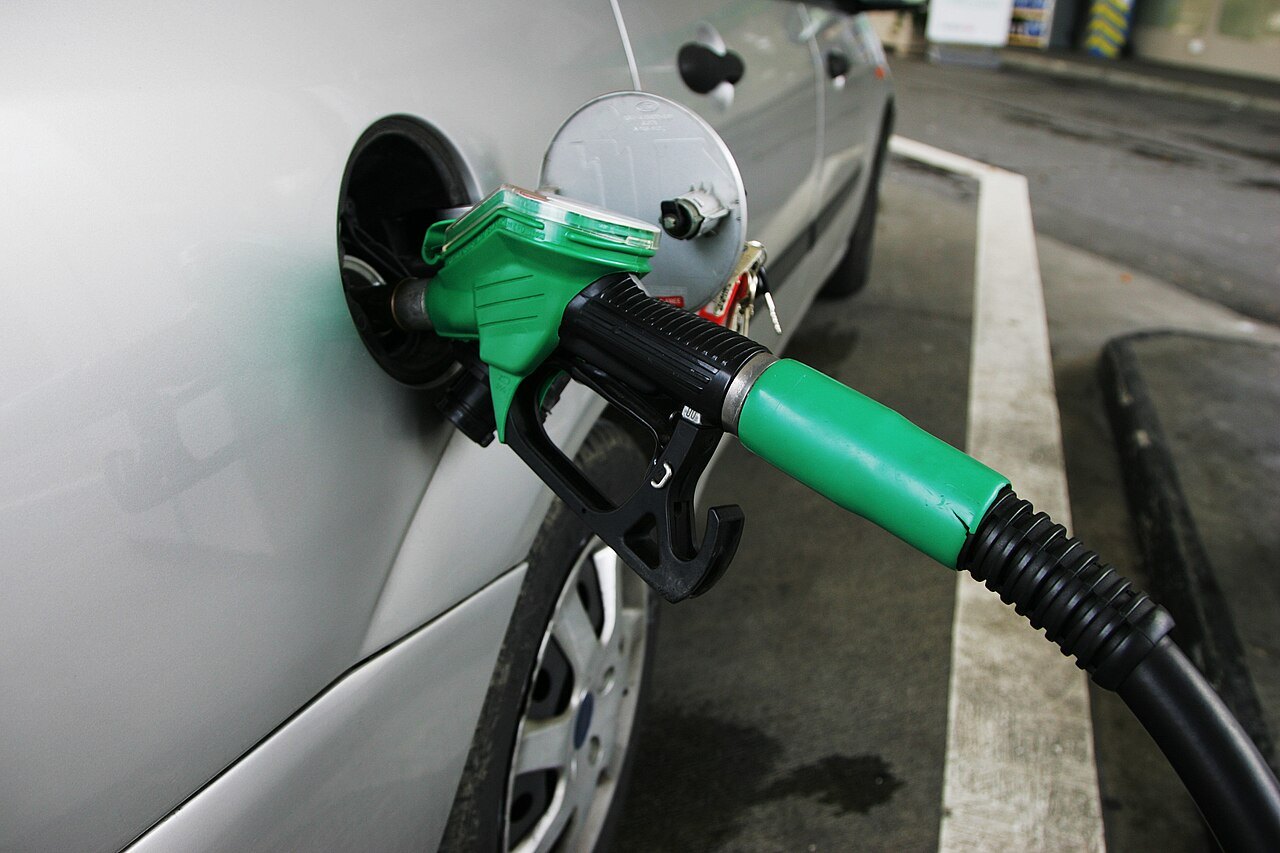
The scene is playing out at every gas station in France this autumn 2026: you watch the numbers climb, you wince, and you start wondering whether it's time to switch cars, or even fuel types. Diesel is flirting with €2.40 a litre, unleaded is hovering around €2.18, and diesel prices jumped by nearly a third between the end of June and the end of September. At the same time, the government now reserves its purchase incentive for electric vehicles, and Europe, even though it softened its planned total ban on new combustion-engine cars for 2035 at the end of 2025, keeps pushing the market toward batteries. It's enough to leave you feeling lost when it comes time to sign an order form. The truth is, there's no one-size-fits-all answer: the right powertrain depends above all on how you drive.
Petrol and diesel: still in the race, but under pressure
Let's start by debunking a common misconception: no, the combustion-engine car isn't ready for the scrapyard just yet. For anyone buying used on a tight budget, covering few kilometres a year, or regularly tackling long motorway journeys, a petrol car often remains the simplest and cheapest option to buy. No range anxiety, no hunting for a charging point, and mechanics that every garage knows inside out: combustion engines still offer solid peace of mind.
But the clouds are gathering. At the pump, the bill is steep, and a large chunk of the price evaporates into taxes: the TICPE fuel tax alone already weighs in at nearly €0.69 per litre of petrol, with VAT stacked on top, meaning a good half of the sticker price ultimately goes to the state. Diesel, long the king of high-mileage drivers, has been hit particularly hard, and its resale value is becoming shakier. On top of that looms 2035: although Europe backed away at the end of 2025 from an outright ban on new combustion-engine cars, the overall direction still clearly points toward electric, which will sooner or later weigh on resale values. Add to this the traffic restrictions in certain major cities, a framework that remains in flux in France. In other words, combustion engines still do the job very well today, but they're now best thought of as a short- or medium-term solution, rather than something to keep for ten years.
Faced with this price surge, some drivers have found a workaround without giving up combustion engines altogether. Superethanol E85, sold at around €0.85 a litre, is winning over more and more drivers who fit their petrol car with an approved conversion kit, priced between €600 and €1,200 and quickly paid off. The trade-off is roughly 25% higher fuel consumption and a still-uneven network of filling stations, but the cost per kilometre remains unbeatable for high-mileage drivers. LPG, long forgotten, is also making a quiet comeback on a few price lists. These alternative fuels don't solve the 2035 question, but they offer immediate breathing room for those who drive a lot and can't yet make the switch to electric.
Hybrid: the reassuring compromise
Between all-combustion and all-electric, the hybrid has established itself as the comfort zone for millions of drivers, and it's easy to see why. The standard hybrid, the kind that doesn't plug in and which Toyota popularised, recovers energy under braking to take the load off the petrol engine. In town, where it runs on its battery a good part of the time, it slashes fuel consumption without asking anything special of the driver: no plug, no change of habits. For anyone racking up urban and suburban trips without the ability to charge at home, it's arguably the best compromise around right now.
The plug-in hybrid plays a different tune altogether. Capable of covering several dozen kilometres in pure electric mode before switching to petrol, it appeals to drivers who do short daily trips and the occasional long journey. There's one non-negotiable condition, though: you have to plug it in religiously, or else you're hauling around a heavy, useless battery and fuel consumption shoots up. It's also worth knowing that it lost its eco-bonus as of 1 July 2025, which has significantly cooled its appeal for private buyers. We actually devoted a full feature to this exact matchup in our article plug-in hybrid or 100% electric.
Electric: unbeatable to run, with one condition
If cost per kilometre were the only thing that mattered, the contest would be over in a flash. Charging at home costs just a few cents' worth of electricity, whereas filling up with petrol now costs a small fortune, and maintaining an electric car, with no oil changes or belts to replace, lightens the bill even further. On top of that, there's an eco-bonus which, subject to income conditions, can reach €5,700 for the most modest households, reserved for the best-rated vehicles on environmental grounds and priced under €47,000. Electric cars also tick the boxes for the future: aligned with regulatory trends, welcome in city centres, and quiet and pleasant to drive.
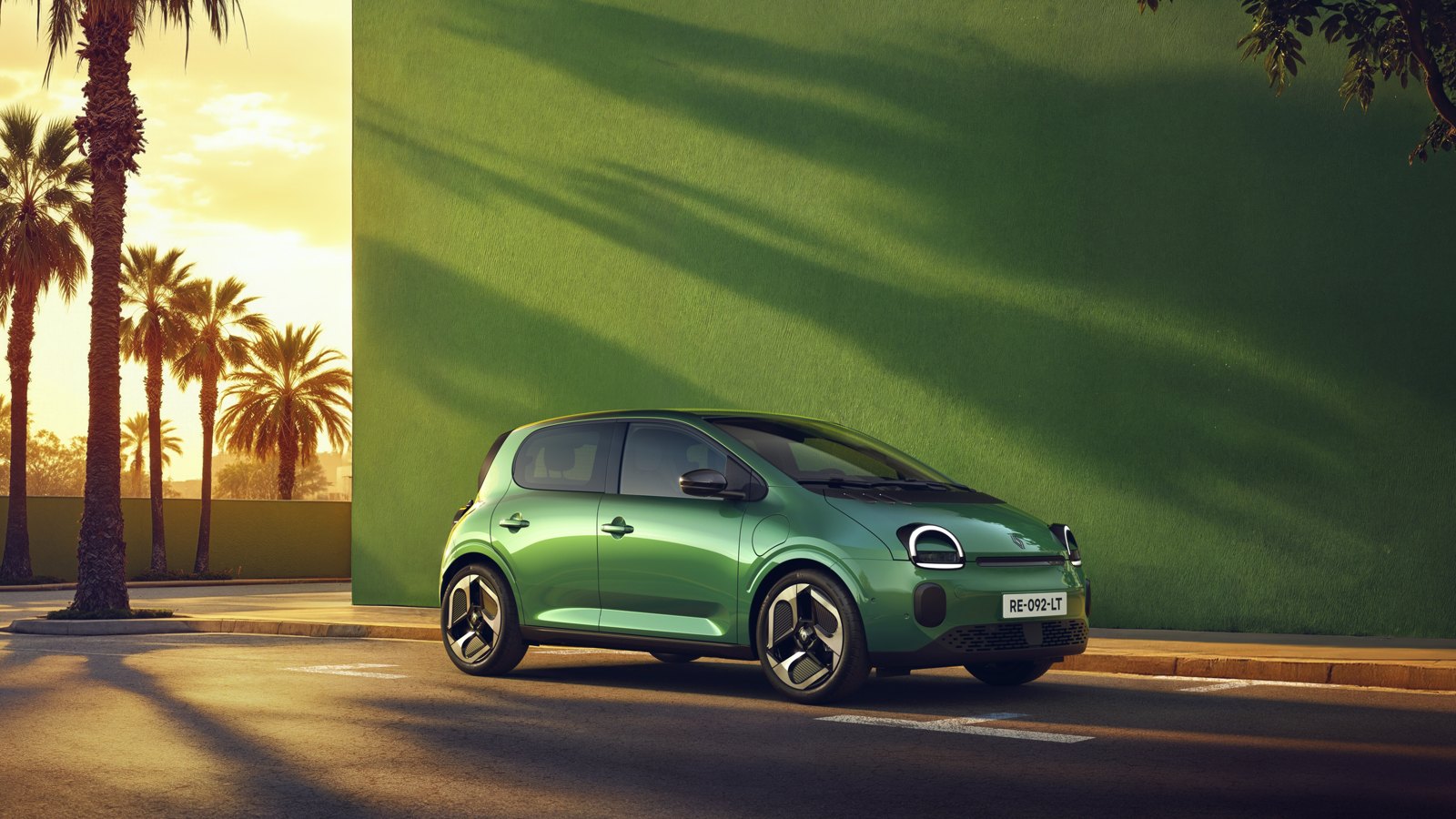
There remains one huge caveat, though, and it shapes everything else: charging. An electric car only reveals its economic advantage if you can charge it easily, ideally at home or at work. For someone living in a house with a plug in the garage, the maths is a no-brainer. For someone who parks on a different street every night, the experience can quickly turn into a headache. The good news, however, is that the entry price has come down sharply. New electric cars now start below €18,000 before the bonus is deducted, with city cars like those featured in our comparison of the Twingo, Spring and Pixo, which sweeps away the "too expensive" argument that was still valid not long ago.
Two objections come up again and again, and both deserve some nuance. Long journeys, first of all: the fast-charging network has grown considerably denser along motorways, and a charging stop of around twenty minutes every two or three hours is no longer any kind of heroic feat, even if it still calls for a bit of planning ahead. Resale, second: fears over worn-out batteries have largely faded, with early real-world data showing far better longevity than the initial concerns suggested. For the tightest budgets, finally, the government-backed social leasing scheme, whose application window reopened in summer 2026, makes it possible to get behind the wheel of an electric city car for under €200 a month with no down payment.
The real question: how do you actually drive?
Rather than searching for the single "winning" powertrain, it's better to ask yourself three very concrete questions. The first, and by far the most important: can you charge where you sleep or where you work? If so, electric quickly becomes the smartest choice, especially with the bonus factored in. If not, a hybrid or, for tighter budgets, a used combustion-engine car remain the more comfortable options. The second: how many kilometres do you drive, and what kind? Mostly short trips around town point toward electric or hybrid, while high-mileage motorway drivers will still want to look at combustion engines or plug-in hybrids.
The third question concerns time and place. Do you plan to keep the car for a long time, and do you live in a major city likely to tighten its rules? If so, electric shields you from unpleasant regulatory surprises and soaring fuel prices. If, on the other hand, you change cars often and drive mostly in the countryside, the urgency is lower. Budget, finally, often settles the debate: a small new electric car, helped by the bonus, can today rival an equivalent combustion-engine model, something that was unthinkable just three years ago.
One final habit, too often overlooked, makes all the difference: thinking in terms of total cost over time, rather than just the sticker price in the showroom. An electric or hybrid car sometimes costs more to buy, but makes up for it month after month on fuel, maintenance, and increasingly, on resale value. Conversely, a cheap combustion-engine car can turn into a money pit for anyone filling up repeatedly at €2.40 a litre. Add up the purchase price, energy, maintenance and resale value over the whole period you plan to keep the car, and the rankings often flip entirely.
Ultimately, rising fuel prices don't crown a single winner, they simply speed up a shift that's already underway. For many drivers who can charge at home, electric is fast becoming the obvious choice, both economically and environmentally. For everyone else, hybrid offers a gentle transition, and combustion engines a reasonable last reprieve. The best advice we can give doesn't come down to a technology, but to a habit: before flicking through the brochures, take a look at your driveway and your logbook of daily trips. That's where, far more than in range figures, you'll find the car that's actually right for you.
Gallery
Photos © W.carter, Vauxford, Dacia et Ivan Radic / Wikimedia Commons et Dacia
- https://www.francecartegrise.com/reglementation/bonus-ecologique-2026/
- https://www.prix-carburants.gouv.fr/
- https://www.fuel-prices.eu/France/
- https://www.largus.fr/actualite-automobile/europe-les-voitures-thermiques-neuves-autorisees-apres-2035-mais-dans-quelles-conditions-30044837.html
- https://www.service-public.gouv.fr/particuliers/vosdroits/F39280
- https://www.bioethanolcarburant.com/actualite/superethanol-e85-prix-economies/