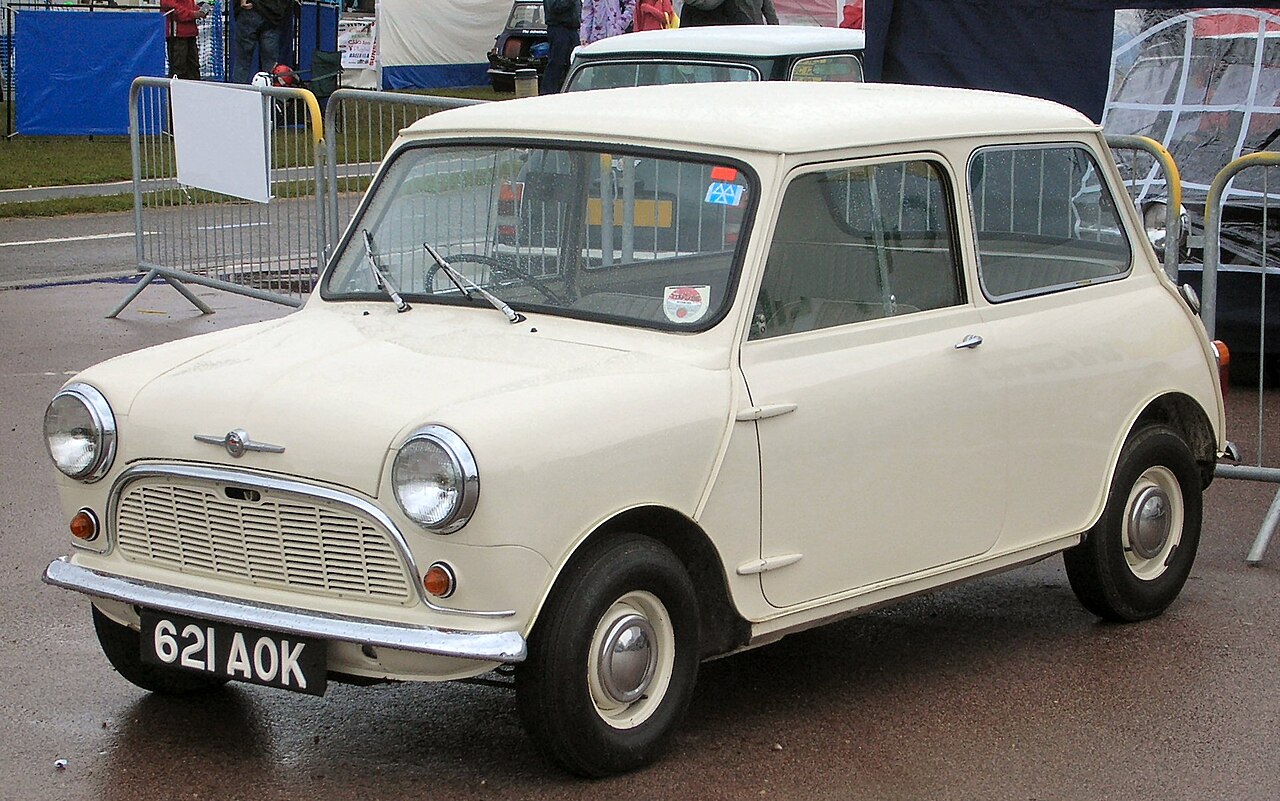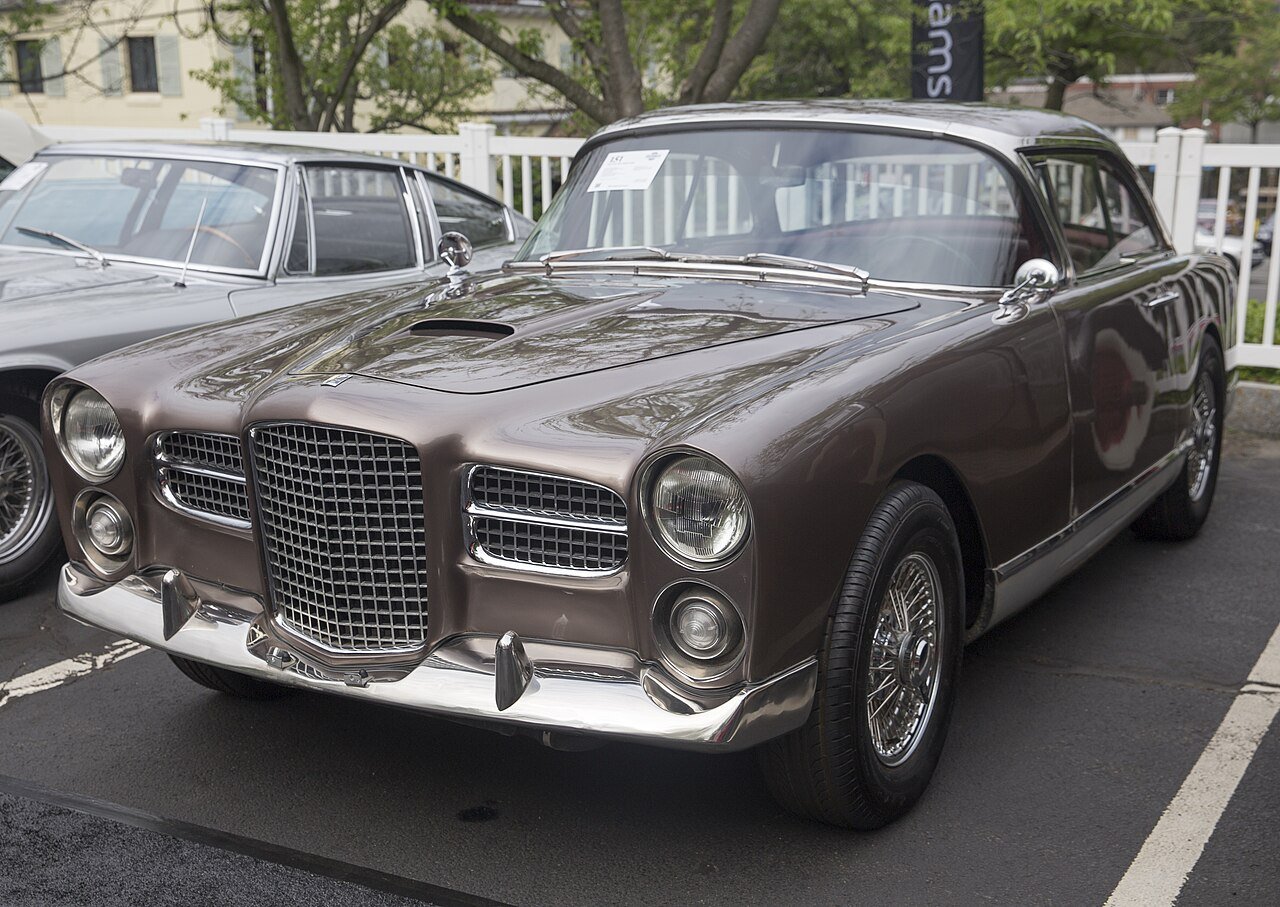
Talbot: The Two Lives of a Legendary Brand
Here is a brand that won the 24 Hours of Le Mans, shone in the earliest Formula 1 Grand Prix races and dressed its chassis in the most sumptuous Art Deco bodywork… before ending its career on hastily badged family sedans. Talbot is undoubtedly the most eventful story in all of automotive history: an Anglo-French brand that lived two lives, knew two deaths, and perhaps still awaits a third resurrection.
An Anglo-French birth with many twists
The history of the Talbot brand originates in 1903, in London. A British aristocrat, Charles Chetwynd-Talbot, Earl of Shrewsbury, founds Clément-Talbot to import and sell French Clément-Bayard automobiles across the Channel under his own name. The firm gradually assembles and develops its own models, and earns a fine reputation in motorsport.
Then everything becomes complicated. In 1920 a vast Anglo-French group is born, the STD — Sunbeam-Talbot-Darracq — which brings together British Sunbeam, English Clément-Talbot and French Darracq — the firm founded by pioneer Alexandre Darracq — based in Suresnes. Result: there are now TWO Talbots, an English one and a French one, two distinct entities but linked within the STD group, cousins yet quite different. Enough to confound even the most seasoned historians! Remember this dual lineage: it reserves a spectacular sleight of hand for the end of our story.
The golden age: the splendor of Talbot-Lago
Destiny shifts in 1935. Bankrupt, the STD group collapses. The French branch in Suresnes is taken over by an engineer of Italian origin with exceptional flair: Anthony Lago. The brand becomes Talbot-Lago and experiences its finest hours. Lago bets everything on two cards: grand luxury and competition.
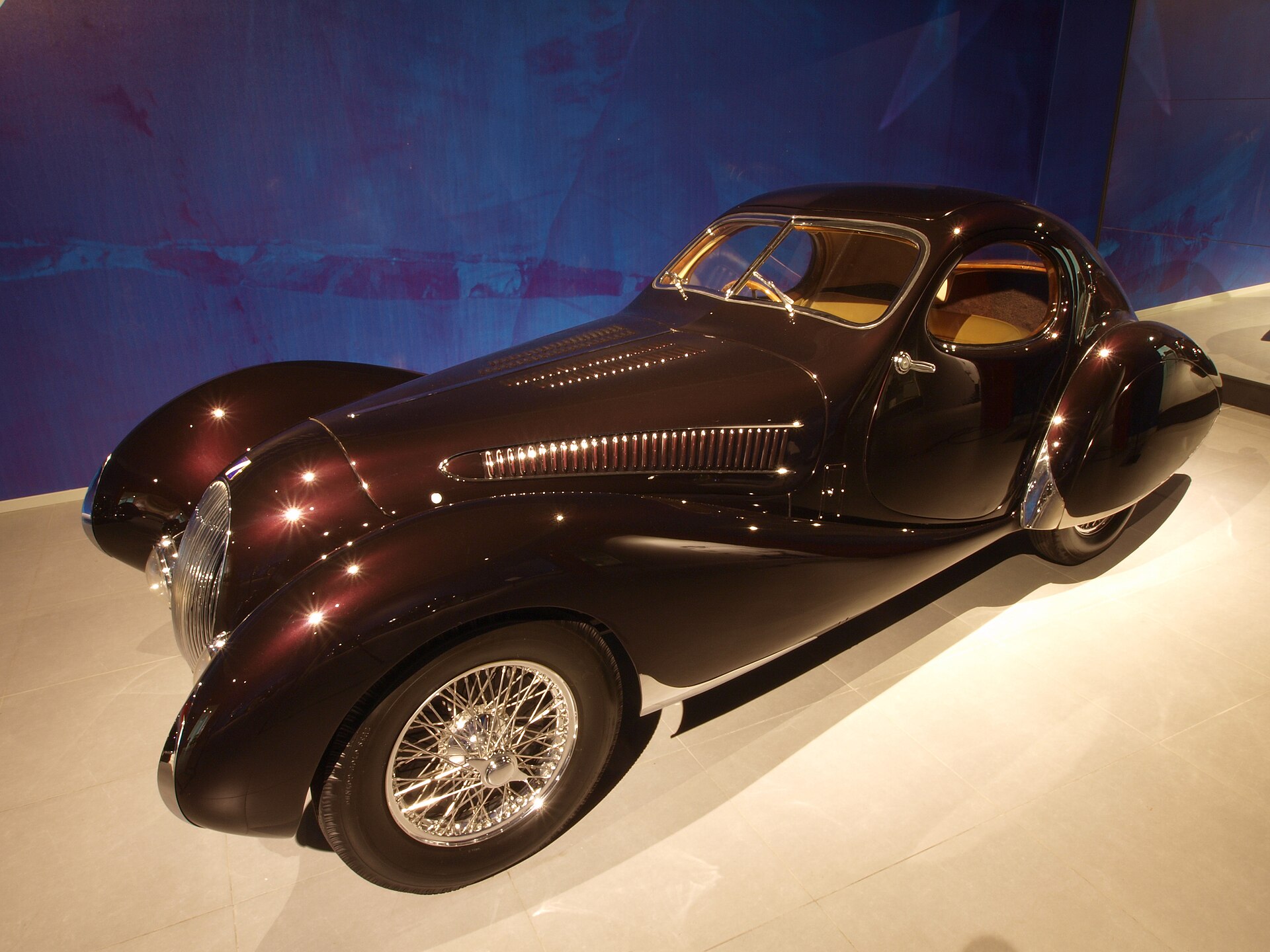
On the elegance side, Talbot-Lago signs one of the absolute peaks of automotive style: the T150-C SS, unveiled in 1937 and dressed by coachbuilder Figoni & Falaschi. Its sleek lines, taut like an airplane wing, earn it an immortal nickname: the "Water Drop" (Teardrop). Only about twenty examples were produced, and they count today among the most coveted cars on the planet: the rare ones that change hands sell for millions of euros at auction.
On the racing side, it is apotheosis. In 1950, a Talbot-Lago wins the prestigious 24 Hours of Le Mans, driven by Louis Rosier and his son Jean-Louis. Legend has it that the father spent nearly all twenty-four hours almost alone at the wheel, relinquishing his seat only for a few laps: a physical feat that remained in people's memories. The same year, Talbot-Lago competes in the very first Formula 1 season, facing the formidable Alfa Romeos. The brand is at its zenith.
Talbot-Lago owes these successes to noble mechanics: large six-cylinder engines renowned for their robustness and endurance, preferring to breathe freely rather than be supercharged. On the road, the brand becomes the playground of the greatest coachbuilders of the era — Figoni & Falaschi, but also Saoutchik or Franay — who rival each other in audacity to dress its chassis. Each great Talbot-Lago is thus an almost unique piece, a rolling jewel crafted for a wealthy clientele. Hard to imagine anything more prestigious in France at the time.
First death: under Simca's wing
Alas, the magic does not last. The grand prestige sedans and Grand Prix single-seaters cost a fortune, while post-war France demands more modest cars. Financially strangled, Anthony Lago eventually sells his business to Simca in the late 1950s; Talbot-Lago is dissolved in 1959. The badge falls asleep. Meanwhile, remember, the English branch of Talbot had taken another path: integrated into the British Rootes group, it produced attractive sports cars in the 1950s, such as the Sunbeam-Talbot 90, brilliant at the Monte Carlo Rally, before gradually merging into the sole Sunbeam brand. The Talbot name was fading on both sides of the Channel. The two cousins seemed lost forever.
Renaissance in Poissy: the Talbots of the Thirty Glorious Years
And yet… In 1978, Peugeot buys Chrysler Europe and finds itself in control of a curious inheritance: the former Simca in France and the former Rootes in England. In other words, the two old Talbot branches, French and English, are finally reunited under one roof, half a century after their separation — Talbot becomes the unexpected link between the Simca era and the future PSA group. A name was needed to crown all this: in 1979, Peugeot resurrects the prestigious Talbot badge.
The second life starts with a bang: the Talbot Horizon is elected Car of the Year 1979! Followed by the Solara sedan, the large tourer Tagora, the city car Samba (and its lovely convertible), not forgetting two creations signed by Matra that became cult classics: the adventurous Rancho, a raised estate car with an explorer's look, often considered a precursor to SUVs by nearly twenty years, and the attractive Murena coupe with its three-abreast seating. For a few seasons, Talbot inspires dreams once again.
Not all Talbots experience the same fate, however: while the Horizon and Samba sell well, the large Tagora struggles to find its clientele. But it is in competition that the brand writes its finest chapters of this second life. The little Sunbeam Lotus, a true four-wheeled bomb, is crowned world rally champions among manufacturers in 1981, while Frenchman Guy Fréquelin battles for the drivers' title to the end. And this victorious team, named Peugeot Talbot Sport, will not disappear: it will become the birthplace of one of the greatest myths in world rallying, the Peugeot 205 Turbo 16. A magnificent way for the competitive spirit born in Talbot to perpetuate itself and triumph once again.
Second extinction — and hope?
But making three brands coexist — Peugeot, Citroën and Talbot — proves a real industrial headache, especially as some models compete with each other. Like any manufacturer, the group eventually refocuses its forces on its two strongest historical badges. The symbolic gesture comes in 1986: the replacement for the Talbot Horizon, once announced as the "Talbot Arizona", is finally released badged as the Peugeot 309. For private cars, the Talbot adventure ends there, quietly.
Two deaths for a single brand: that is certainly unusual. But the story may not be over. Today, Stellantis — the current holder of this vast heritage — retains the rights to the Talbot name. Enough to dream, one day, of a third life for this remarkably resilient badge.
What to take away from such a chaotic journey? That Talbot was in turn the brand of speed kings and of families; that it bore the most sumptuous French bodywork as well as the most popular sedans; and that it survived everything — the collapse of the STD group, two disappearances and countless changes of ownership. Today, a "Water Drop" reaches peaks at auction, while a Rancho or a Samba are fought over by a new generation of enthusiasts, nostalgic for those carefree years. Proof that a brand, even twice extinguished, never quite dies as long as it is still loved.
From the "Water Drop" that raced at Le Mans to Ranchos for family vacations, Talbot truly experienced everything — glory, oblivion, rebirth. On Brochure Auto, this extraordinary brand lives on through its period catalogs, available to consult and download for free: the Talbot Horizon, the Talbot Solara, the Talbot Murena coupe and of course the legendary Talbot Matra Rancho. A badge that, we hope, has not said its last word.
- https://fr.wikipedia.org/wiki/Talbot-Lago
- https://en.wikipedia.org/wiki/Talbot
- https://www.24h-lemans.com/en/news/24-hours-centenary-the-legacy-of-1950-winner-talbot-57324
- https://cultureauto.fr/histoire-de-talbot/
- https://lautomobileancienne.com/les-talbot-1979-1987/
- https://www.leblogauto.com/non-classe/stellantis-a-renouvele-la-propriete-intellectuelle-de-talbot/